

That quick coffee run between meetings. The midnight online order placed because it was a rough day. Those extra ten minutes watching a series you’ve already finished. None of this is bad in itself; these are small, reasonable pleasures in a day that is otherwise exhausting. But if you notice you are constantly indulging yourself yet still end most days feeling just as empty or drained, it is worth examining that pattern.
An indulgence and a need are not the same thing
"Treat yourself" culture relies on a silent substitution: offering a small pleasure instead of addressing a genuine need. Coffee is nice, but it isn't the same as resting. Opening a package from an online order is fun, but it isn't the same as feeling supported. There is nothing wrong with enjoying these things; the problem arises when they start taking the place of something deeper that never gets addressed.
That is why these indulgences can be repeated daily without ever translating into a sense of genuine well-being. They were never designed to solve the real problem, but rather to make it bearable for a few minutes at a time.
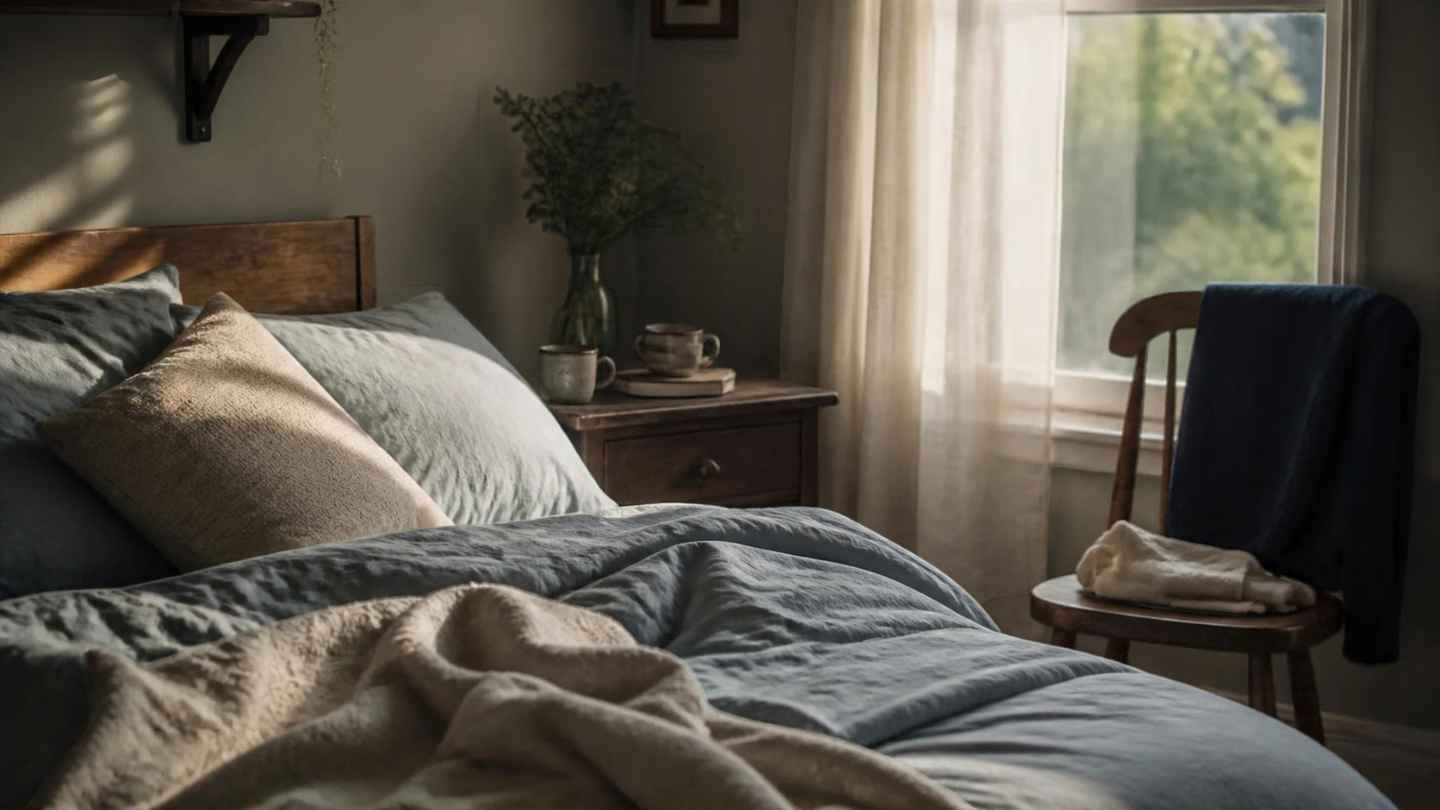
Why it feels good in the moment but leaves you feeling empty afterward
An indulgence gives you a quick, real dose of pleasure; that part isn't fake. However, pleasure and restoration do not work the same way. Pleasure is fleeting and fades quickly. Restoration real rest, authentic connection, addressing what is truly wearing you down takes longer to achieve, but its effects last much longer.
When indulgences become your primary tool for coping with a hard day, you get trapped in a cycle of instant gratification that builds nothing solid, because the actual exhaustion is never addressed; it is simply hidden behind a temporary distraction. Marketing is no accident
It is worth stating clearly: the phrase "treat yourself" is also used to sell products. Small, frequent purchases framed as "self-care" are highly profitable for companies a coffee, a nice object, a subscription all presented as something you deserve, an act of self-respect, or a reward for your hard work. None of this makes the purchases themselves bad, but it is worth noting that an entire industry benefits from you believing that small, recurring expenses equate to taking care of yourself.
This is not an argument against enjoying things
To be clear: this isn't about depriving yourself of small pleasures; that would be a different issue entirely and a joyless one at that. The goal isn't to stop buying that coffee, but to stop expecting the coffee to fulfill the role of something much greater: genuine rest, real connection, or addressing whatever is actually making your day difficult.
What really helps
Ask yourself what you truly need before turning to a treat. Sometimes, the honest answer is sleep, a sincere conversation, or giving yourself permission to stop—not making a purchase. You might still indulge in the treat, but identifying the real need first prevents it from quietly substituting for something it was never going to fix.
Separate pleasure from avoidance. A treat that brings genuine enjoyment to your day is different from one that serves primarily to avoid facing how you really feel. Both might look identical from the outside; the difference lies in whether you feel good afterward or simply distracted for a moment.
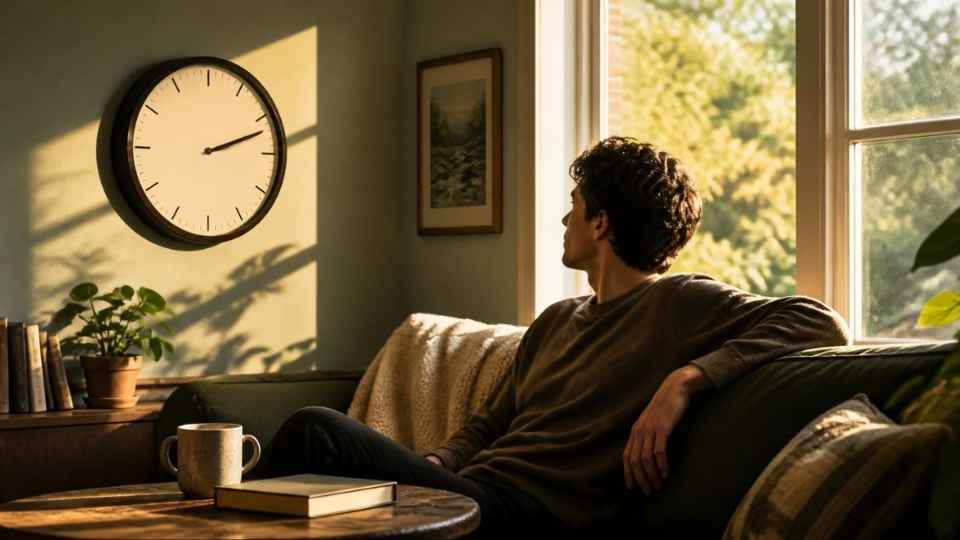
Invest in things that truly revitalize you, even if they don't offer immediate gratification. Genuine rest, deep conversations, and unstructured time often require more effort than a quick treat, but they are what truly make a difference in your exhaustion levels in the long run. Allow some days to simply be difficult, without needing a treat to soften the edges. Not every tough day requires a reward to get through it. Sometimes, acknowledging that a day has been hard without feeling the need to immediately make up for it with something pleasant is a form of honesty worth practicing.
Treats were never the problem.
Enjoying life’s small pleasures isn't the issue, and nothing said here suggests you should stop doing so. The problem arises when those small moments quietly become your only recourse, standing in for the rest, connection, and self-care that never actually materialize. Coffee can still be enjoyable. It simply isn't and was never going to be a substitute for what you truly needed.