

You are the loud one in one group of friends: you tell jokes and take the lead in the conversation. In another group, you are quieter, more willing to listen, and content to let others drive the discussion. You may have noticed this at some point and silently wondered which of those versions is truly you. The honest answer is that both are, and the question itself stems from a premise that doesn't actually hold water.

There was never meant to be just one version
The idea that you possess a single, fixed personality that should manifest identically in every context feels intuitive, but that isn't how people work. Personality isn't an unchangeable script you perform the same way for every audience; it is more like a range of possibilities, and different relationships and environments naturally bring out different facets of that spectrum.
You aren't the only one who experiences this. Almost everyone behaves noticeably differently with close friends than with coworkers, or with family than with someone they’ve just met. The real question was never "Which version is the real one?" but rather, "Is this range of behaviors genuinely mine, or am I playing a role that doesn't feel like me at all?"

The difference between adapting and pretending
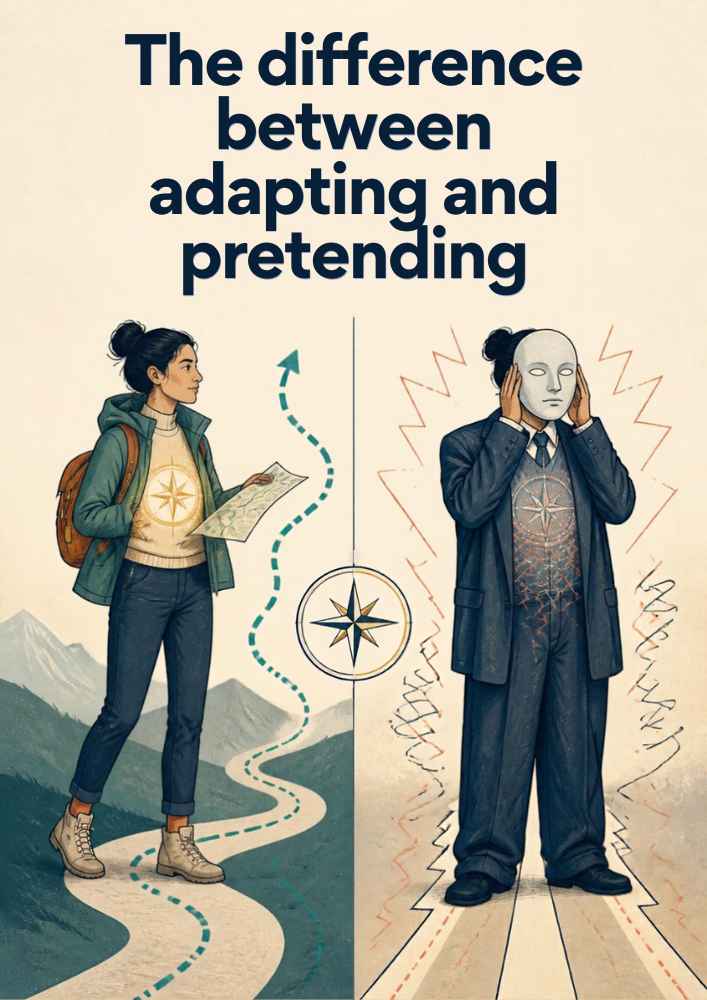
This is the distinction that is truly worth keeping in mind. Adapting means your tone, energy, or openness varies depending on the context, while your core values and sense of identity remain constant. Pretending involves actively suppressing or faking an essential part of yourself to gain acceptance agreeing with things you don't believe in, hiding opinions that matter to you, or feigning enthusiasm you don't feel.
Being quieter with a group because the dynamic calls for a different kind of energy is adapting. Staying silent about something that truly matters to you out of fear of the group's reaction is an act of pretense. From the outside, both behaviors might look similar, but internally they feel very different and only one of them warrants closer examination.

Why certain people bring out specific versions of you
Different relationships create different conditions, and your personality reacts to those conditions. A naturally reserved friend might bring out your more talkative side simply because the group dynamic allows space for it. A friend who tends to dominate the conversation might bring out your more reflective, listening side not because you are suppressing anything, but because that is how the dynamic between you naturally plays out.
That is why some relationships make you feel more like "yourself" than others: it is rarely a case of one friend seeing your true self while another sees a fake version. It usually depends on which facet of your personality tends to surface in a specific relationship, and there are facets where you simply feel more comfortable than in others.

When it is worth analyzing
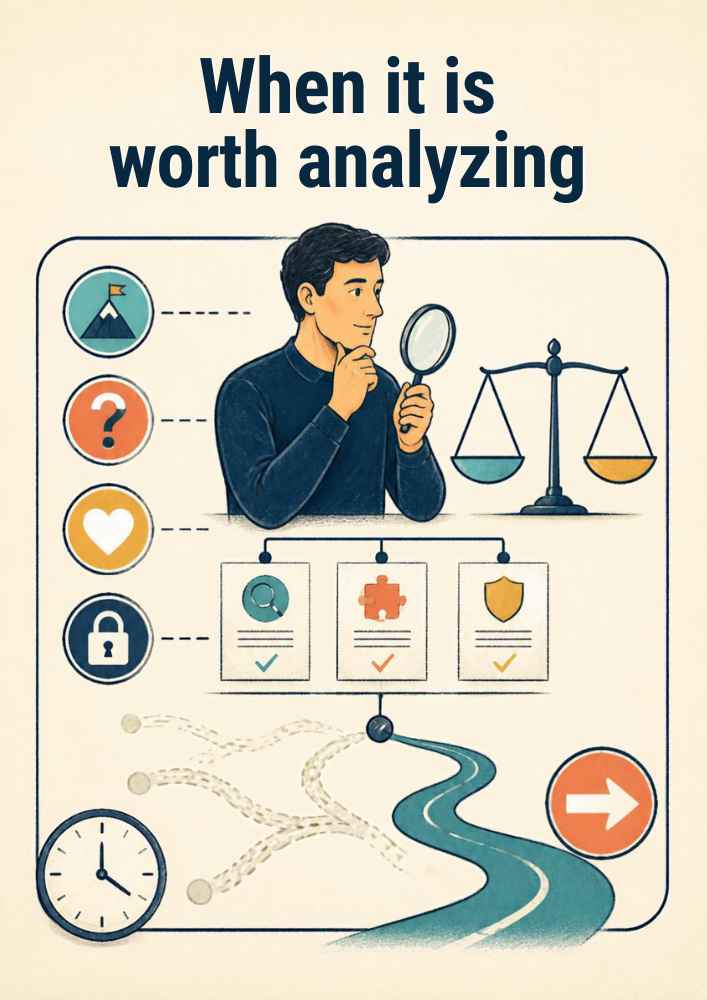
It is truly worth examining this closely when the shift isn't just about energy or tone, but affects your actual opinions, values, or boundaries for instance, when you catch yourself nodding along to things you don't actually agree with, or when you stay silent on topics that matter to you because you know the group wouldn't accept your honest answer. This is a different pattern from simply talking more or less depending on who you are with, and it is worth paying attention to if it happens consistently.
What really helps
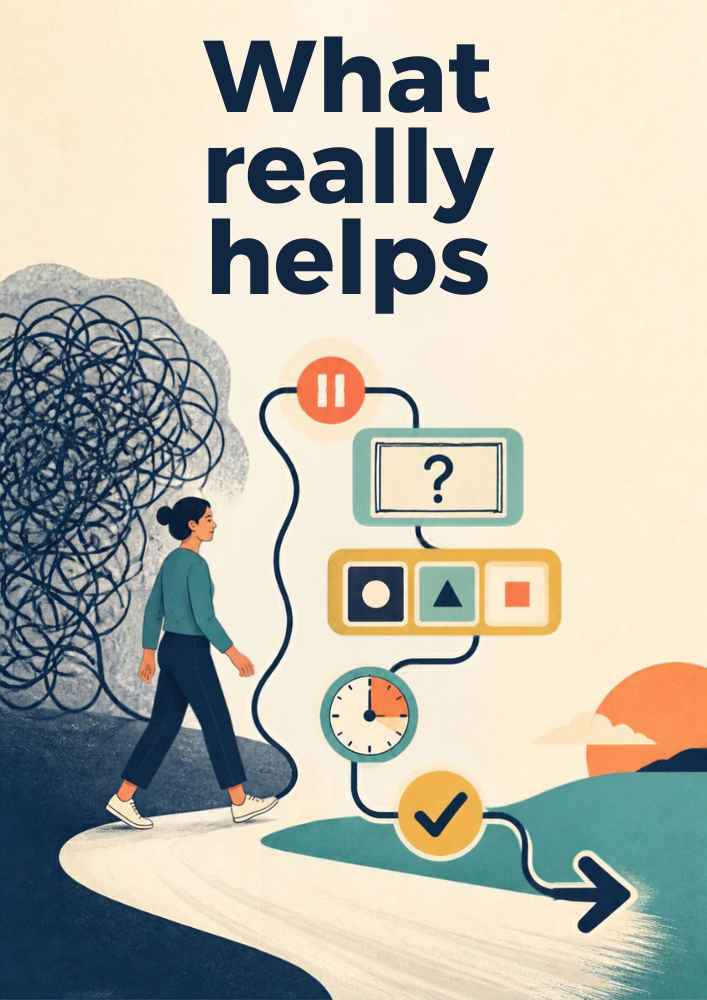
Distinguish between tone and substance. Ask yourself whether it is your way of expressing yourself that changes, or what you actually think and believe. The former is a normal social adaptation; the latter warrants closer analysis.
Observe which version feels more sustainable to you, not which one makes the biggest impression. Maintaining certain facets of your personality requires more energy than others. If a specific social setting consistently leaves you drained and not just because you are expressing yourself differently that is something worth paying attention to.

Allow different friendships to serve different purposes. Not every friend needs access to every part of you. There are friends with whom you have deep, serious conversations, and others with whom you share lighter, more relaxed moments; having both types of friendship does not make either one less authentic.
Check whether your core values remain steadfast across different contexts. The truly useful test isn't "Do I act the same way everywhere?" but rather "Do I still believe in the same things everywhere?" If your actual values and boundaries remain constant even as your energy fluctuates, that is a sign of versatility, not fragmentation.
Versatility is not the opposite of authenticity.
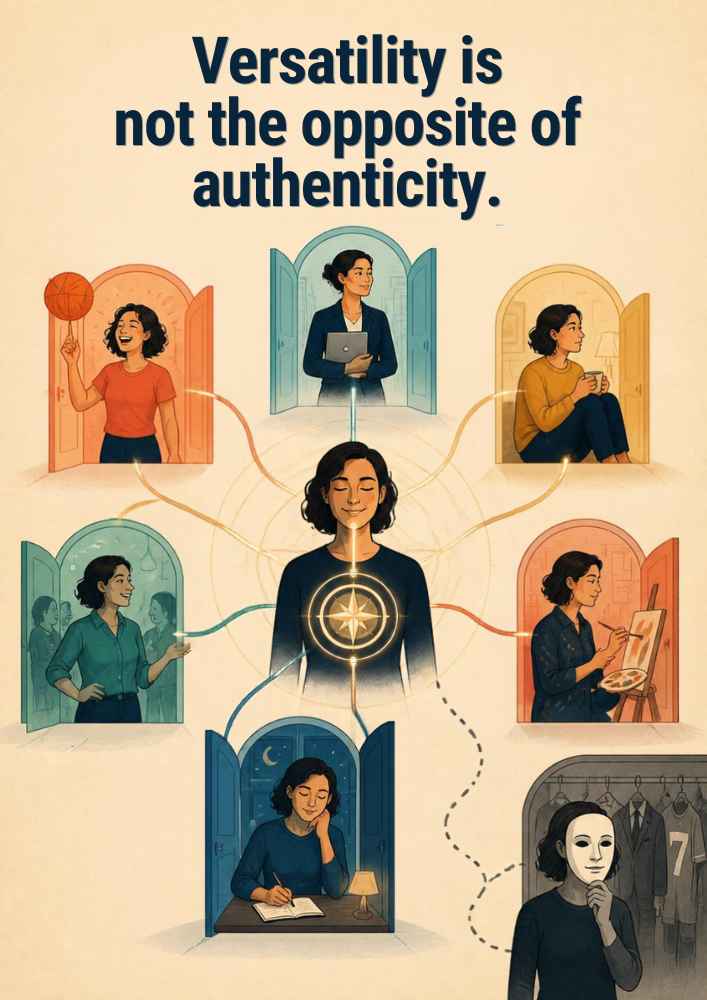
Showing different facets to different people doesn't prove you don't know who you are; it shows that you are a whole person responding naturally to different relationships just as almost everyone does. The real question was never which version is the authentic one, but rather whether regardless of the version being displayed your core values remained intact. If they did, then every version was you, all along.